


Credit Card Calculator
Credit Card Calculator
A Credit Card Calculator helps you estimate monthly interest charges, repayment time, and total cost of credit card debt. It is based on your APR, outstanding balance, and payment behavior.

What is a Credit Card?
A credit card is a financial tool issued by banks or financial institutions that allows users to borrow money up to a fixed credit limit for purchases or cash withdrawals.
- Credit cards are unsecured loans
- They come with a credit limit
- Interest is charged on unpaid balances
- Monthly repayment is required

Understanding Credit Card APR
APR (Annual Percentage Rate) is the yearly interest rate charged on outstanding credit card balances. It can be fixed or variable depending on the card issuer.
Types of APR
- Fixed APR
- Variable APR
- Introductory 0% APR
How Credit Card Interest is Calculated
Most credit cards use the Average Daily Balance (ADB) method to calculate interest.
Formula
Daily Periodic Rate (DPR) = APR / 365
Monthly Interest = DPR × Average Daily Balance × Days in Billing Cycle
| Term | Meaning |
|---|---|
| APR | Annual interest rate on credit card |
| DPR | Daily interest rate (APR ÷ 365) |
| ADB | Average daily balance during billing cycle |
Example Calculation
Assume:
- APR = 18%
- Balance = $1,000
- ADB = $900
- Billing cycle = 30 days
DPR = 0.18 / 365 = 0.000493
Monthly Interest = 0.000493 × 900 × 30 = $13.32

Balance Transfers
A balance transfer allows you to move debt from one credit card to another, usually to take advantage of lower or 0% introductory APR.
- Lower interest temporarily
- May include 3%–5% transfer fee
- Useful for debt consolidation
Cash Advances
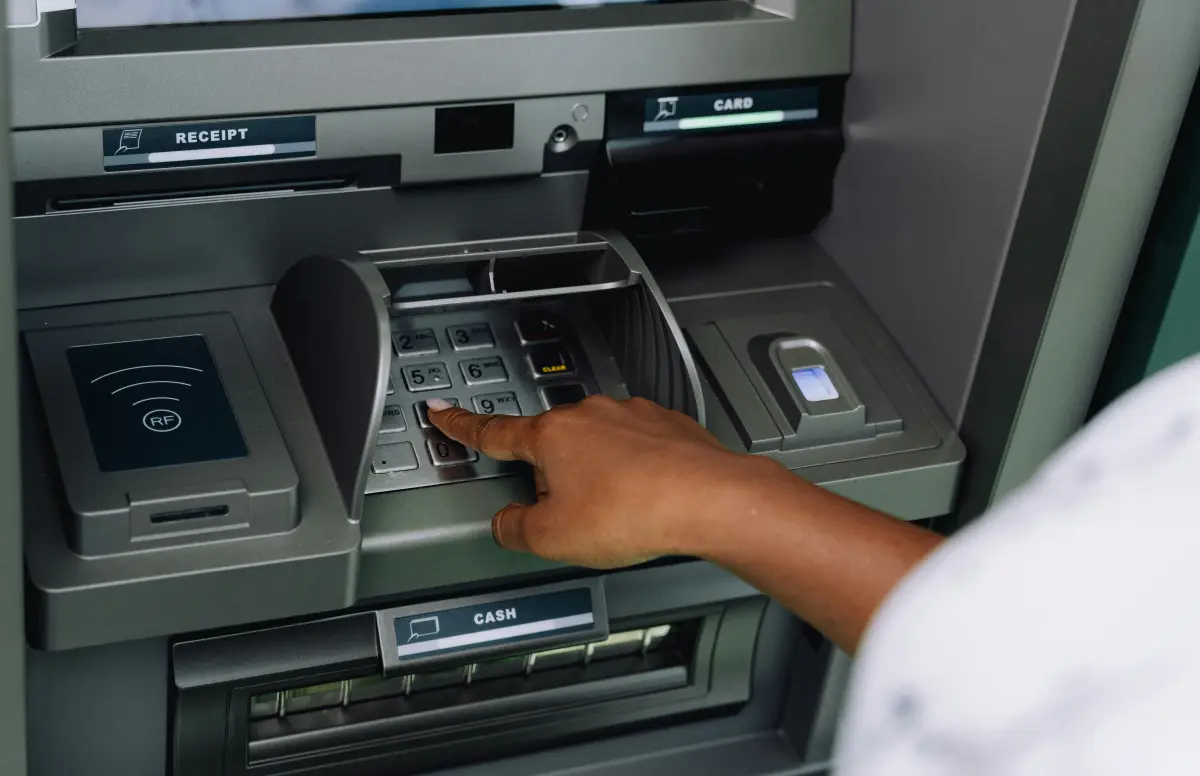
A cash advance lets you withdraw cash from your credit card, but it is one of the most expensive forms of borrowing.
- No grace period
- Higher APR than normal purchases
- Additional ATM fees may apply
Advantages of Credit Cards
- Convenient and widely accepted payment method
- Builds credit history and improves credit score
- Fraud protection and zero liability in many cases
- Rewards such as cashback, travel miles, and discounts
Disadvantages of Credit Cards
- High interest rates (often 15%–25%)
- Risk of overspending and debt accumulation
- Late payment fees and penalties
- Negative impact on credit score if misused
Types of Credit Cards
- Cashback Cards: Earn rewards on purchases
- Rewards Cards: Earn points or travel miles
- Secured Cards: Require deposit for credit building
- Balance Transfer Cards: Low or 0% intro APR offers
- Store Cards: Limited to specific retailers
- Business Cards: Designed for business expenses
How to Reduce Credit Card Interest
Pay More Than Minimum
Paying only minimum increases total interest over time.
Use Balance Transfer Offers
Transfer high-interest debt to lower APR cards when possible.
Make Frequent Payments
Weekly or bi-weekly payments reduce average daily balance.

Credit Utilization Ratio
Credit utilization ratio is the percentage of available credit you are using. It directly impacts your credit score.
| Total Credit Limit | Balance Used | Utilization |
|---|---|---|
| $10,000 | $2,500 | 25% |
Frequently Asked Questions (FAQs)
What is a credit card calculator used for?
It estimates repayment time, interest cost, and payment schedule for credit card debt.
What is a good credit card APR?
A good APR is typically between 8% and 15%, depending on credit score.
What happens if I only pay minimum due?
You will pay more interest and take longer to clear your debt.
Is credit card interest charged daily?
Yes, most issuers calculate interest using daily balance methods.
Are balance transfers always free?
No, most charge a 3%–5% transfer fee.
Reference Links
Related Tools