


GFR Calculator
GFR Calculator
The GFR (Glomerular Filtration Rate) Calculator estimates kidney function based on serum creatinine, age, gender, race, and height (for children).
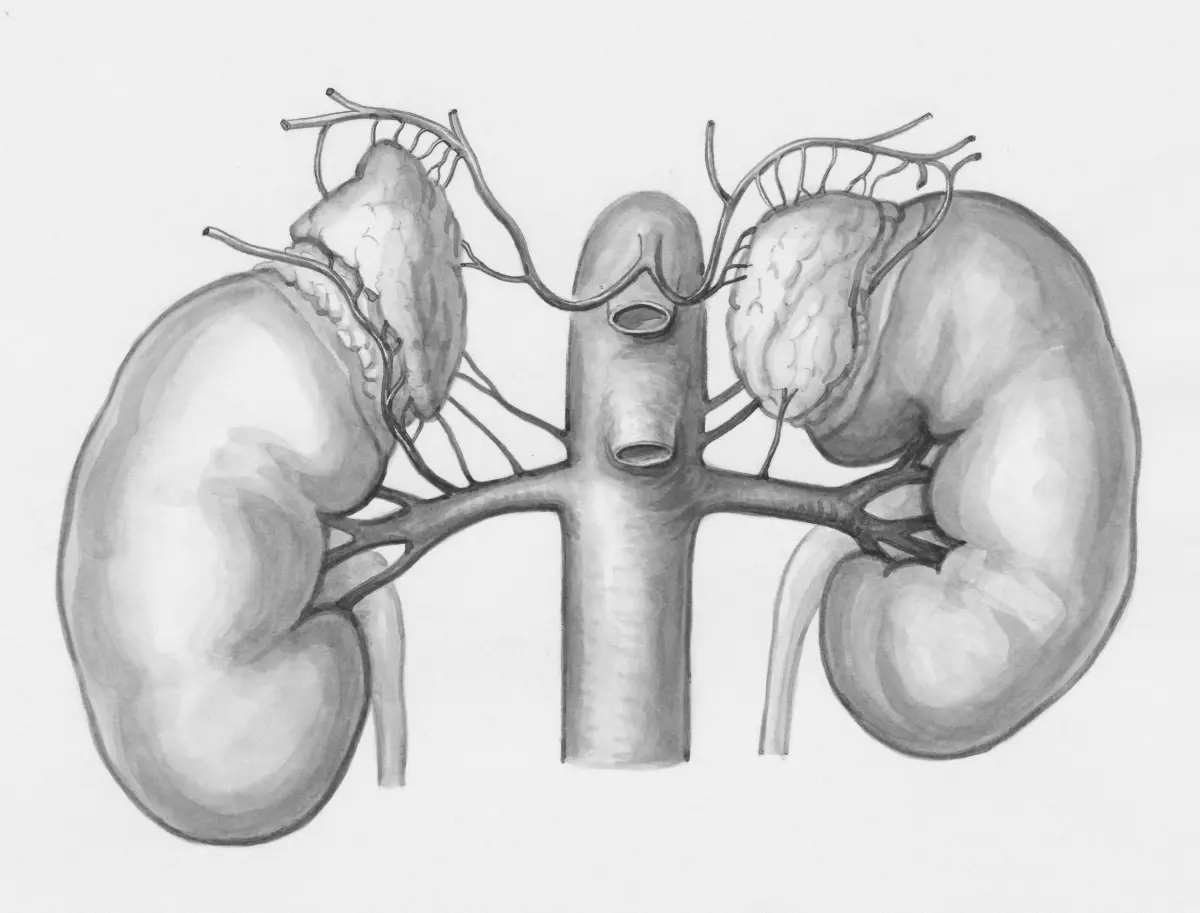
What is GFR?
Glomerular Filtration Rate (GFR) measures how well the kidneys filter waste from the blood. It is one of the most important indicators of kidney health.
Normal GFR Range
- Men: 100 – 130 mL/min/1.73m²
- Women (under 40): 90 – 120 mL/min/1.73m²
- GFR decreases naturally with age
Population Mean GFR by Age
- 20–29 years: 116
- 30–39 years: 107
- 40–49 years: 99
- 50–59 years: 93
- 60–69 years: 85
- 70+ years: 75
GFR and Kidney Health Stages
- Normal: 90+ (with no kidney damage)
- CKD Stage 1: 90+ with kidney damage
- CKD Stage 2: 60–89 (mild loss)
- CKD Stage 3: 30–59 (moderate loss)
- CKD Stage 4: 15–29 (severe loss)
- CKD Stage 5: <15 (kidney failure)
What Affects GFR?
- Age
- Muscle mass
- Serum creatinine level
- Gender
- Race (in some formulas)
How GFR is Measured
GFR can be measured using creatinine-based formulas or special medical tests. The most accurate method uses inulin clearance, but it is rarely used due to complexity.
Common GFR Formulas
MDRD Formula
Used to estimate GFR based on creatinine, age, gender, and race.
CKD-EPI Formula
A more accurate modern formula used in most laboratories worldwide.
Schwartz Formula (Children)
Used for children:
GFR = 0.413 × height (cm) / SCr
Why GFR is Important
- Detects kidney disease early
- Monitors kidney function over time
- Helps prevent kidney failure
- Guides medical treatment decisions
When to Be Concerned
A GFR below 60 may indicate kidney disease, especially if it remains low for a long time or decreases over time.
Frequently Asked Questions (FAQs)
What is a normal GFR?
A normal GFR is usually above 90 mL/min/1.73m² depending on age and health condition.
Is low GFR dangerous?
Yes, a low GFR may indicate kidney damage or chronic kidney disease.
Can GFR improve?
Yes, in some cases kidney function can improve with treatment, diet, and lifestyle changes.
What causes low GFR?
Diabetes, high blood pressure, dehydration, and kidney disease are common causes.
References
Related Tools