


Rebar Calculator
Enter the length and width of the grid and the calculator will calculate the number of rebars, rebar length, and cost required to build up the rebar grid.
What Is a Rebar Calculator and Why Do You Need One?
If you have ever worked on a construction project — whether it is a small home renovation or a large commercial building — you already know how important it is to get the numbers right. One mistake in your material estimates can cost you time, money, and a lot of frustration.
That is exactly where a rebar calculator comes in.
A rebar calculator is a simple but powerful tool that helps you figure out exactly how much rebar you need for your project. Instead of guessing or manually doing complex math, the calculator does all the heavy lifting for you. You just enter a few basic details about your project, and within seconds you get accurate results.
Whether you are pouring a concrete slab, building a retaining wall, or laying a foundation, knowing the right amount of rebar is not optional — it is essential.
What Is Rebar and Why Is It Used in Construction?
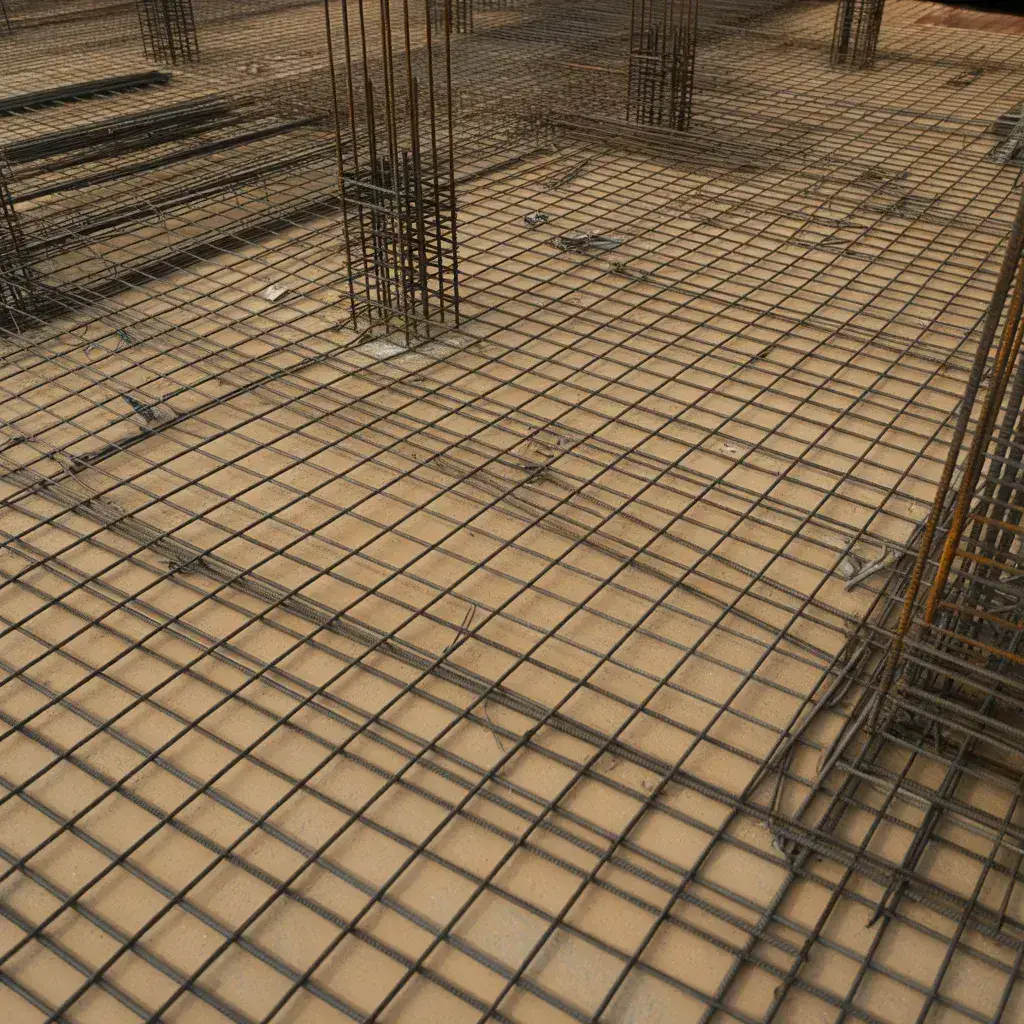
Before we dive into how the calculator works, let us quickly understand what rebar actually is.
Rebar stands for reinforcing bar. It is a steel bar or mesh of steel wires used in concrete structures to strengthen them. Concrete on its own is very strong under compression — meaning it handles heavy loads well — but it is weak under tension, meaning it can crack or break when pulled or bent.
Rebar solves this problem. When steel bars are placed inside concrete, they absorb the tension forces and prevent cracking. Together, concrete and rebar create what is called reinforced concrete, which is one of the strongest and most widely used building materials in the world.
Rebar is used in:
- Concrete slabs (floors, driveways, patios)
- Foundations and footings
- Retaining walls
- Columns and beams
- Bridges and highways
- Swimming pools
Without rebar, most modern construction simply would not be possible.
Why Accurate Rebar Calculation Matters
You might be wondering — why not just buy extra rebar to be safe? The problem with that approach is simple: rebar is expensive, and buying too much wastes money. On the other hand, buying too little means delays, extra trips to the supplier, and possible structural problems.
Here is why accurate rebar calculation matters:
1. Cost Control Steel prices fluctuate, and rebar can be one of the more expensive materials in a project. A proper calculation helps you stay within budget and avoid overspending.
2. Structural Integrity Using too little rebar can weaken a structure. Building codes exist for a reason — they ensure that structures are safe for people to use. Proper rebar placement and quantity directly affects the strength of your build.
3. Avoiding Wastage Over-ordering leads to leftover materials that often go unused. This adds unnecessary cost and contributes to material waste.
4. Project Planning When you know exactly how much rebar you need, you can plan deliveries, storage, and labor more efficiently. This keeps your project on schedule.
How Does a Rebar Calculator Work?
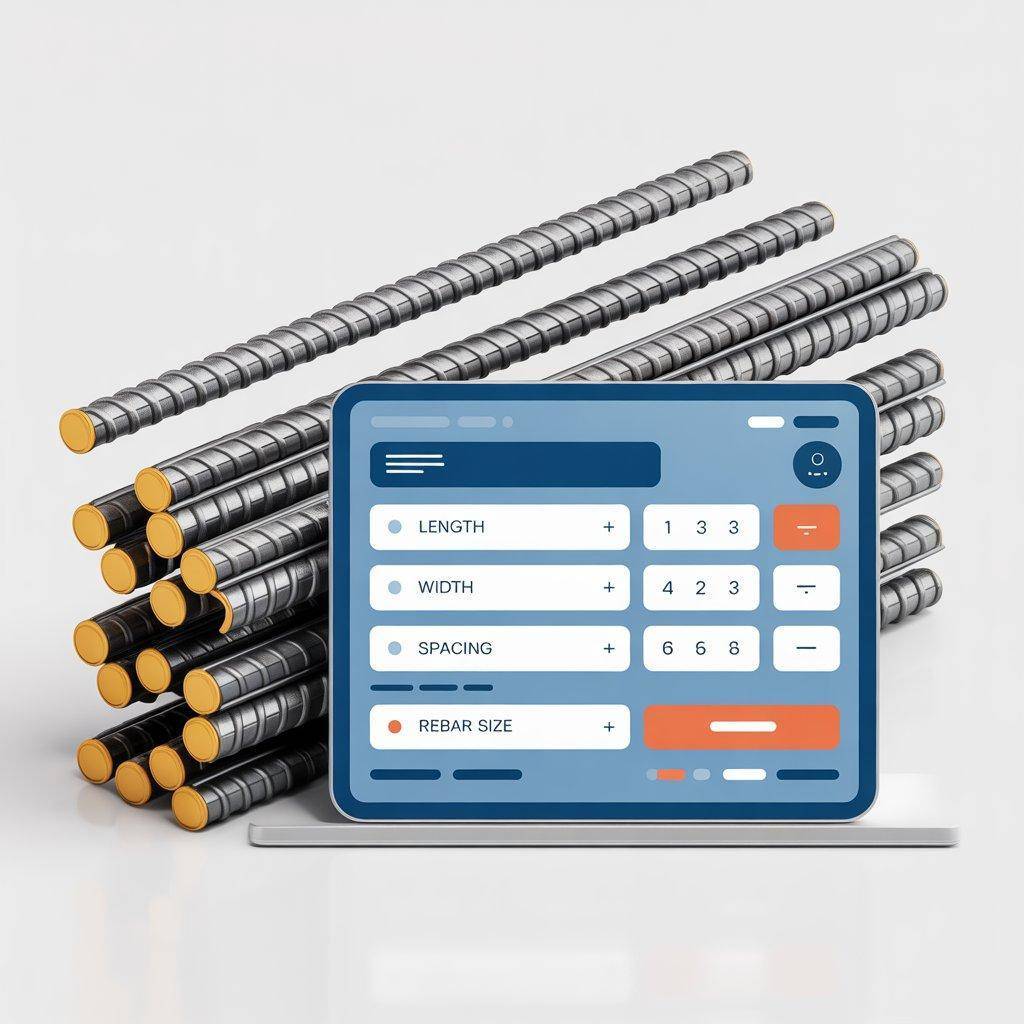
A rebar calculator works by taking basic measurements and spacing requirements, then calculating the total number of rebar pieces you need along with the total length and weight.
Here are the typical inputs you will enter:
1. Area or Dimensions You enter the length and width (and sometimes depth) of the area where rebar will be placed. For example, a concrete slab that is 10 meters long and 5 meters wide.
2. Rebar Spacing This is the distance between each rebar bar. Common spacing values are 150mm, 200mm, or 300mm, depending on structural requirements. Closer spacing means more rebar and a stronger structure.
3. Rebar Size (Diameter) Rebar comes in different sizes — commonly referred to by their diameter in millimeters (such as 8mm, 10mm, 12mm, 16mm, or 20mm). Larger diameter rebar is heavier and stronger.
4. Overlap Length When rebar pieces are joined together, they need to overlap by a certain length to maintain structural continuity. This is called the lap splice and is usually a multiple of the rebar diameter (for example, 40 times the diameter).
Once you enter these values, the calculator will give you:
- Total number of rebar bars needed
- Total length of rebar in meters or feet
- Total weight in kilograms or pounds
- Estimated cost (if you enter the price per unit)
Types of Rebar Calculations You Might Need
Different construction elements require slightly different approaches to rebar calculation. Here is a breakdown:
1. Rebar Calculator for Concrete Slabs
A concrete slab typically uses a grid pattern of rebar — bars running both lengthwise and widthwise. The calculator helps you determine how many bars run in each direction based on your slab dimensions and spacing requirements.
For example, a 10m x 8m slab with 200mm spacing will need bars every 200mm across both the length and width. The calculator adds up all the bars and gives you the total length needed.
2. Rebar Calculator for Footings and Foundations
Footings usually run along the perimeter of a building. Rebar is placed inside the footing to strengthen it against soil movement and load. The calculator helps you figure out how many continuous bars run the length of the footing, and how many stirrups (the smaller bars that wrap around the main bars) are needed.
3. Rebar Calculator for Walls
Retaining walls and structural walls need rebar placed both vertically and horizontally. A wall rebar calculator asks for the wall height, length, and spacing to give you the total quantity of both horizontal and vertical bars.
4. Rebar Calculator for Columns
Columns are vertical structural elements that carry heavy loads. They use longitudinal (vertical) bars and lateral ties. The calculator accounts for the column height, number of main bars, and tie spacing.
Step-by-Step Example: How to Calculate Rebar for a Concrete Slab
Let us walk through a simple example so you can see exactly how this works.
Project: Concrete driveway slab Dimensions: 6 meters long x 4 meters wide Rebar Spacing: 200mm (0.2 meters) Rebar Size: 10mm diameter Lap Length: 500mm (0.5 meters)
Step 1: Calculate the number of bars running lengthwise
Divide the width by the spacing and add 1: 4 ÷ 0.2 = 20 + 1 = 21 bars running lengthwise
Step 2: Calculate the number of bars running widthwise
Divide the length by the spacing and add 1: 6 ÷ 0.2 = 30 + 1 = 31 bars running widthwise
Step 3: Calculate total bar lengths
- 21 lengthwise bars x 6 meters = 126 meters
- 31 widthwise bars x 4 meters = 124 meters
- Total = 250 meters of rebar
Step 4: Add for overlaps
If any bars need to be joined, add 0.5 meters per joint.
Step 5: Calculate weight
For 10mm rebar, the weight per meter is approximately 0.617 kg/m. 250 meters x 0.617 = 154 kg of rebar
This is the kind of calculation a good rebar calculator handles automatically in just a few seconds.
Rebar Weight Chart — Quick Reference
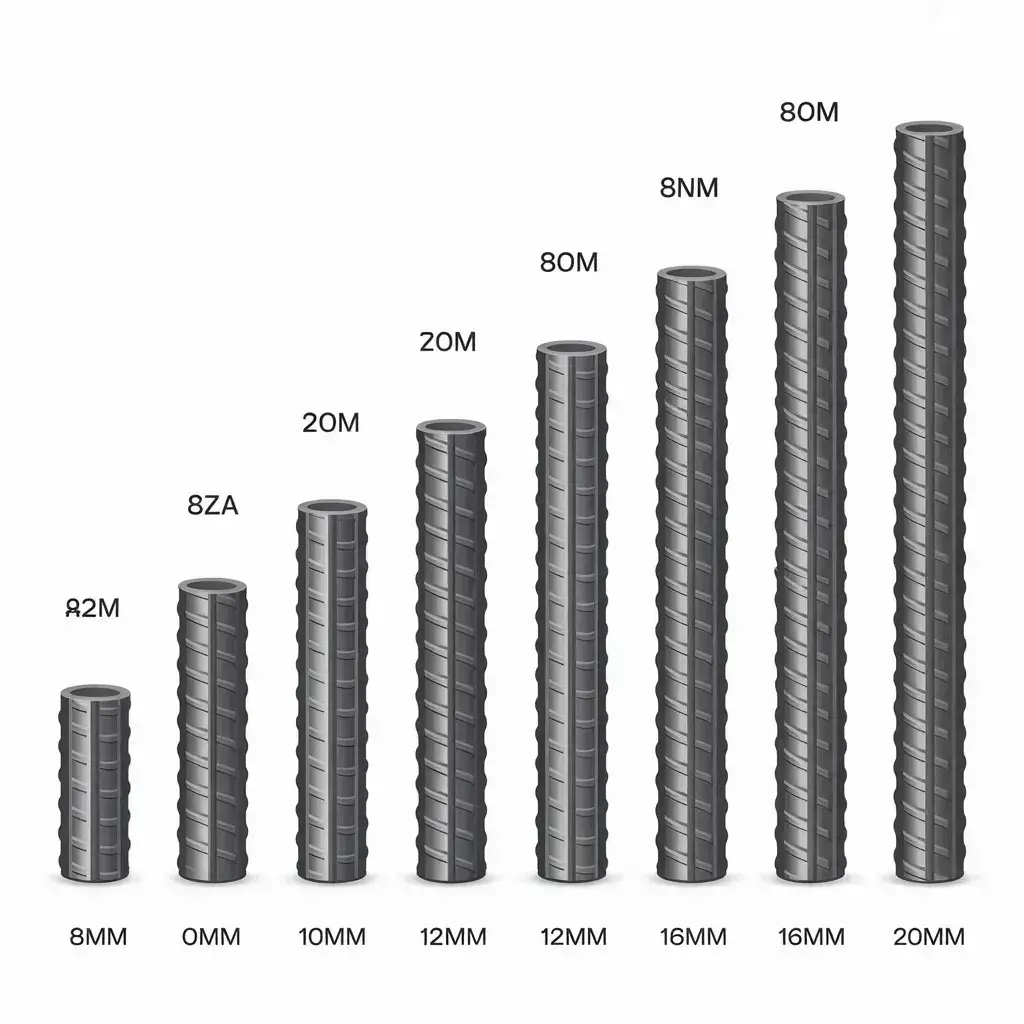
Here is a handy reference table for common rebar sizes and their weight per meter:
| Rebar Size | Diameter (mm) | Weight per Meter (kg) |
|---|---|---|
| #8 Rebar | 8mm | 0.395 kg/m |
| #10 Rebar | 10mm | 0.617 kg/m |
| #12 Rebar | 12mm | 0.888 kg/m |
| #16 Rebar | 16mm | 1.578 kg/m |
| #20 Rebar | 20mm | 2.466 kg/m |
| #25 Rebar | 25mm | 3.853 kg/m |
Knowing the weight helps you estimate transportation costs and structural load as well.
Common Mistakes to Avoid When Calculating Rebar
Even experienced builders sometimes make mistakes when calculating rebar. Here are the most common ones and how to avoid them:
1. Forgetting Overlaps Many people calculate the total area but forget to add extra length for lap splices. Always include overlap allowances.
2. Ignoring Building Codes Different regions have different requirements for rebar spacing and size. Always check local building codes before finalizing your calculations.
3. Using Wrong Spacing Wider spacing uses less rebar but may not meet structural requirements. Always follow the engineer's specifications.
4. Not Accounting for Waste Even with precise calculations, some rebar gets cut and the offcuts go to waste. Add around 5–10% extra to your order to cover cutting waste.
5. Mixing Up Units Make sure you are consistent with your units — do not mix meters and feet in the same calculation. A rebar calculator handles this for you automatically.
Tips for Buying Rebar the Smart Way
Once you have your rebar calculation ready, here are a few practical tips for purchasing:
- Buy in bulk — larger quantities usually come at a lower price per unit
- Compare suppliers — prices can vary significantly between different steel suppliers
- Check for delivery fees — rebar is heavy, and delivery costs can add up
- Inspect quality — make sure the rebar meets the required grade (common grades are Fe415 and Fe500)
- Store properly — keep rebar off the ground and away from moisture to prevent rust before use
Final Thoughts
A rebar calculator is one of those tools that every builder, contractor, engineer, and even serious DIY homeowner should have access to. It takes the guesswork out of one of the most important parts of construction planning — making sure you have the right amount of steel reinforcement for a safe and solid structure.
Whether you are building a small garden wall or a multi-story building, taking a few minutes to run your numbers through a rebar calculator can save you significant money, prevent structural problems, and make your entire project run more smoothly.
Related Tools